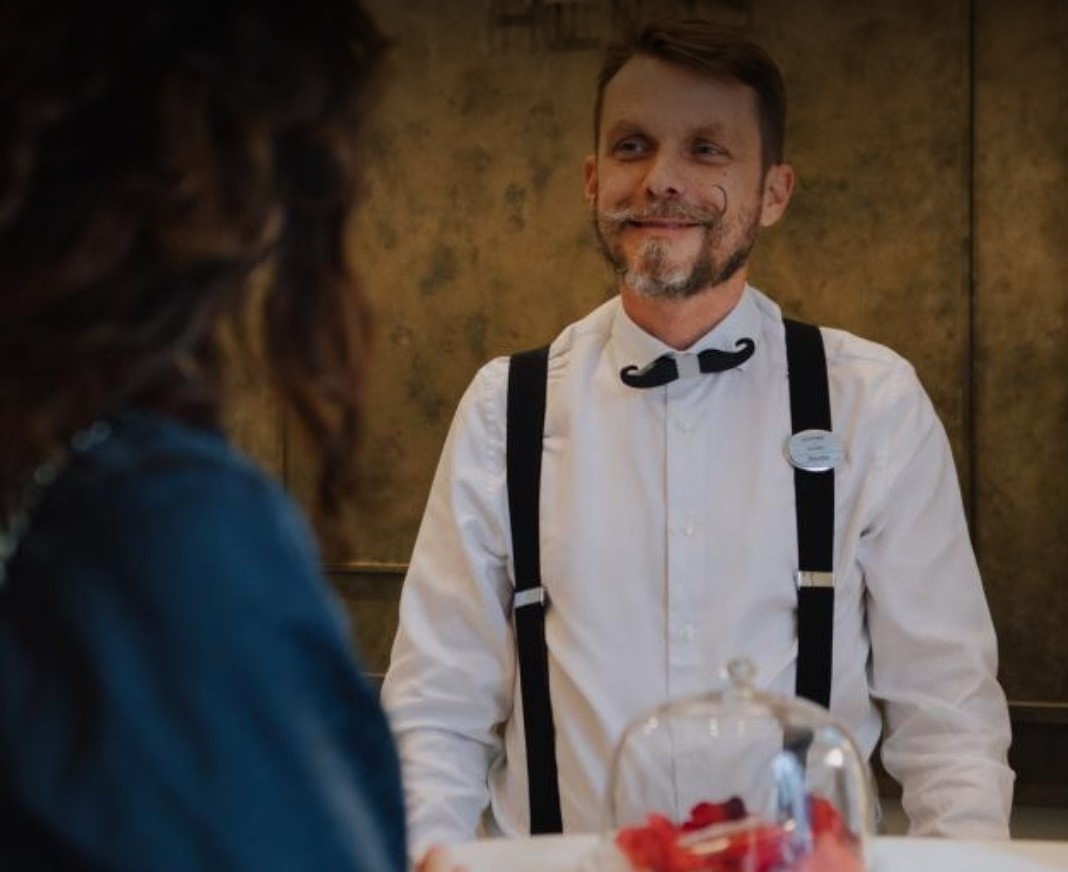
How the concierges of Paris’s most singular neighborhood quietly shape the way the world discovers art, culture, and the city itself.
Every great neighborhood has its unofficial ambassadors. In the Marais, they wear no badge and carry no lantern. They stand behind carved wooden desks in quietly magnificent lobbies, and they know things that no algorithm has ever learned.
They know which gallery on the Rue de Bretagne has just received a shipment from an artist who will be famous in three years. They know the courtyard, invisible from the street, where a sculptor works in silence on Saturday mornings. They know which museum rooms are empty at the hour most tourists are having lunch, and which private collector occasionally opens her door to guests who come highly recommended.
These are the concierges of the Marais. And in a neighborhood that has always been something of a living exhibition, its layers of Jewish aristocratic, artistic and contemporary histories pressed together like pages of the same extraordinary book, their role is unlike anywhere else in Paris.
To stay in one of the Marais’s finest boutique hotels is not simply a matter of comfort. It is, increasingly, an act of cultural navigation. The hotel you choose determines the lens through which you encounter the neighborhood. And the concierge behind that desk determines how deep you go.
“A good concierge in the Marais is never merely a logistician. They are a translator, between the traveller’s curiosity and the neighborhood’s secrets.”
What follows is a portrait of seven addresses, seven distinct sensibilities. A portrait of the quiet, essential art their teams practise every day. Each one, in its own way, is a reason to arrive without a plan.
Pavillon de la Reine
Place des Vosges, 3th arrondissement
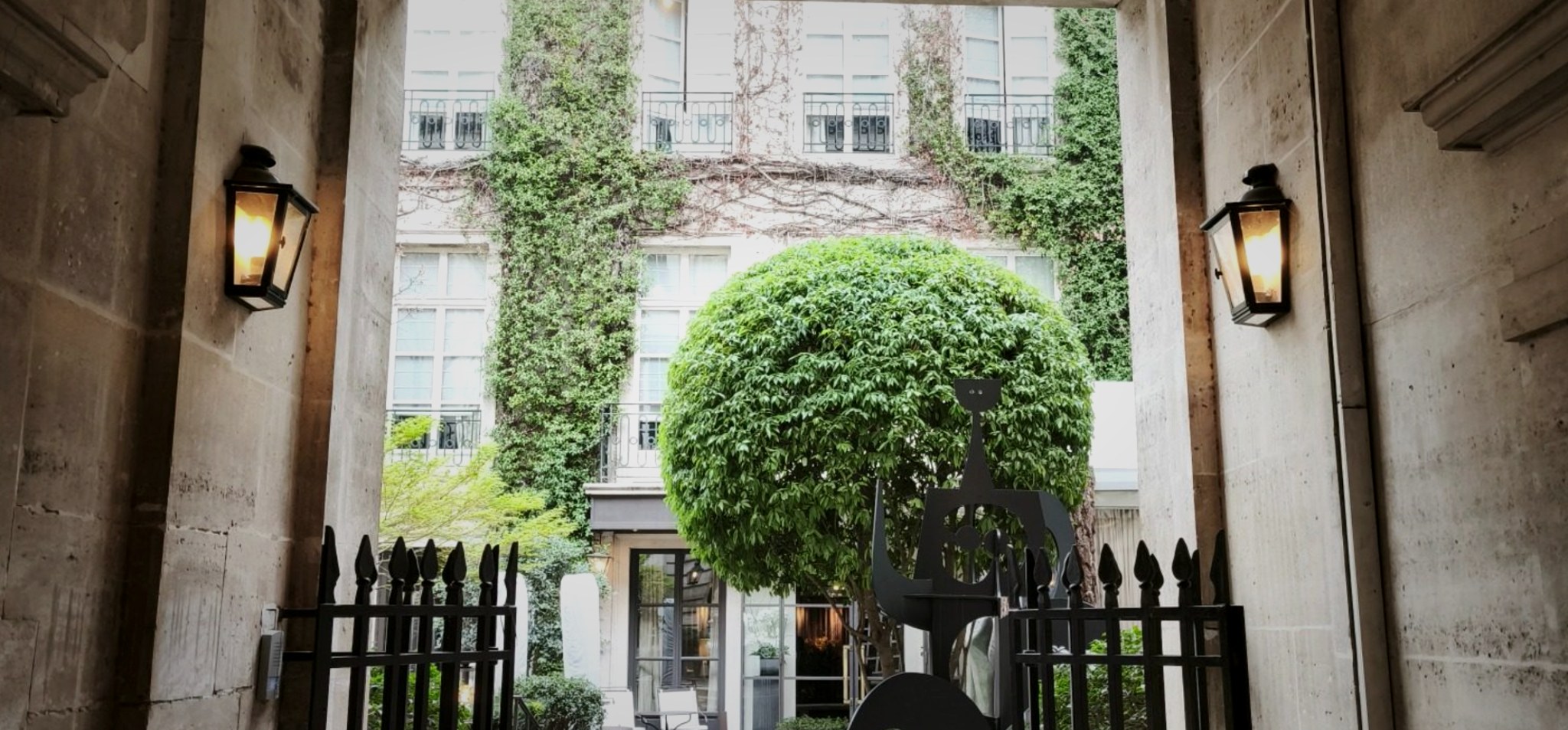
There are hotels that stand near landmarks, and there is the Pavillon de la Reine, which opens directly onto the Place des Vosges, one of the most beautiful squares in the world. To cross its threshold is to step from the sublime into something even rarer: genuine quiet.
Hidden behind a climbing-rose façade and a cobblestone courtyard, this Relais & Châteaux property carries the kind of discretion that only centuries of Parisian taste can produce. Its concierge team inhabits this atmosphere completely. Their recommendations tend toward the unhurried: the early morning light on the arcades, the independent gallerist two streets away whose roster reads like a private education in contemporary French art, the Carnavalet museum’s rooms on the history of Parisian salons. Recommendations so seldom visited they feel almost reserved.
This is the Marais as it was dreamed of: magnificent, measured, and entirely real.
Cour des Vosges
Place des Vosges, 4th arrondissement
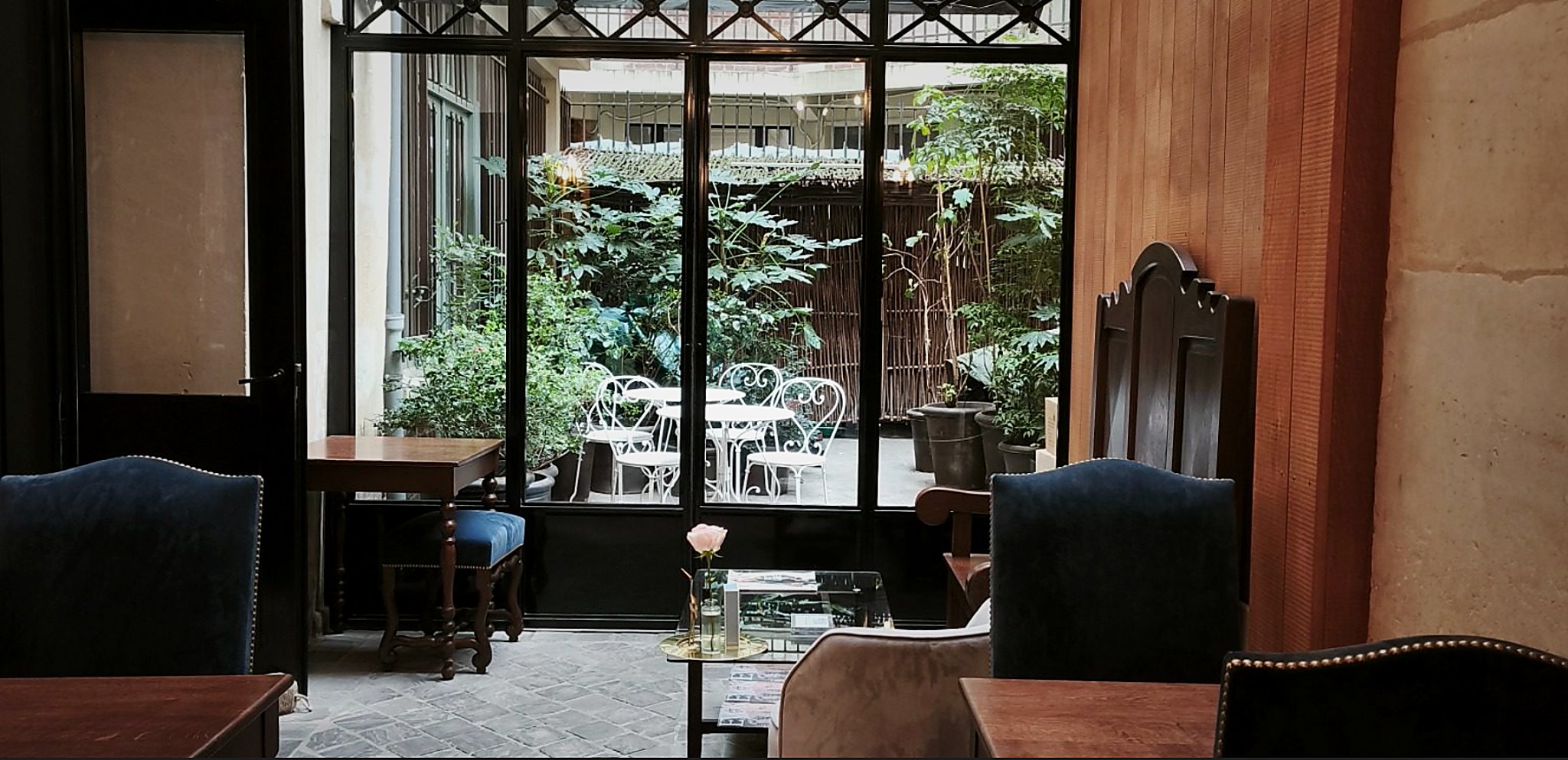
If the Pavillon de la Reine is classical, Cour des Vosges is its more intimate sibling. A maison de maître, as the hotel likes to say, for those who understand the difference between a room and a pied-à-terre. Every key here is handed by a majordome, and the architectural codes of the 17th century are not merely preserved but inhabited.
The concierge service at Cour des Vosges operates on the same philosophy. Guests are not given lists; they are given conversations. What kind of art do you love? Do you prefer the spontaneous or the curated? Are you the kind of traveller who wants to be surprised, or to understand?
The team then composes something bespoke, often including galleries in the northern Marais that resist the obvious, ateliers accessible only to guests who come with a personal introduction, and restaurant tables that take weeks to book independently.
The hotel describes itself as a place for epicureans and lovers of history. Its concierge is the guarantor of that promise.
Hôtel Dupond-Smith
Rue de Rivoli, at the epicentre of the Marais
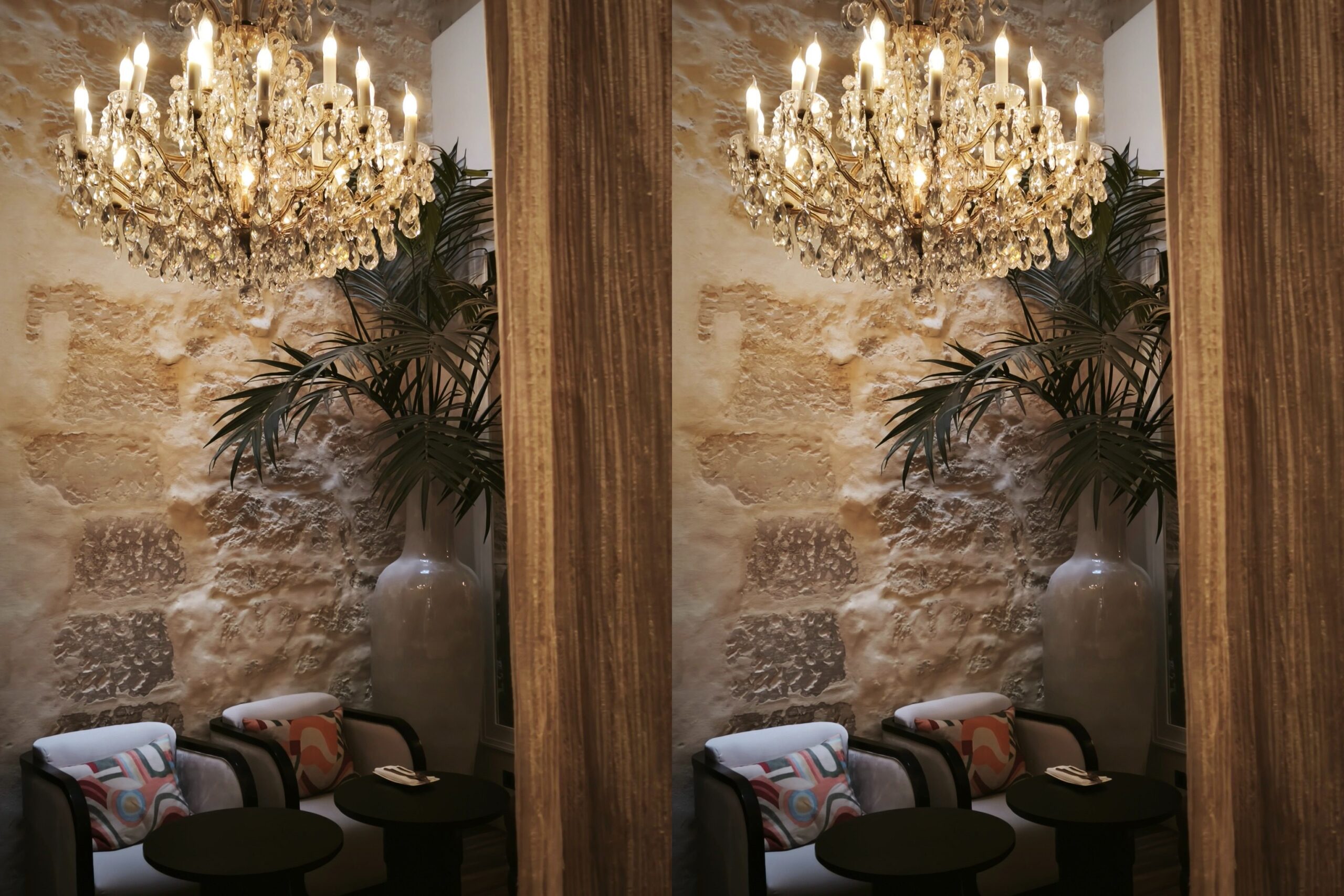
Described on its own façade as sitting at “the epicentre of the Marais,” the Dupond-Smith is a five-star address that wears its identity with a certain Parisian ease. The name itself carries weight, two great French families, a sense of dual heritage. And the hotel channels this into an atmosphere that is glamorous but never intimidating.
The team here maintains a digital City Guide, accessible to guests, that amounts to a living document of the neighborhood’s best addresses. But the concierge’s real value lies off-page: in the verbal additions, the real-time updates, the “this just opened last week and almost nobody knows yet” that no published list can replicate. They are attuned to the artistic metabolism of the Marais which moves fast, changes constantly, and rewards those who have a guide.
Guests who arrive curious and leave educated owe something, almost always, to the person behind the desk on arrival.
Hôtel de JoBo
Rue d’Ormesson, near Saint-Paul
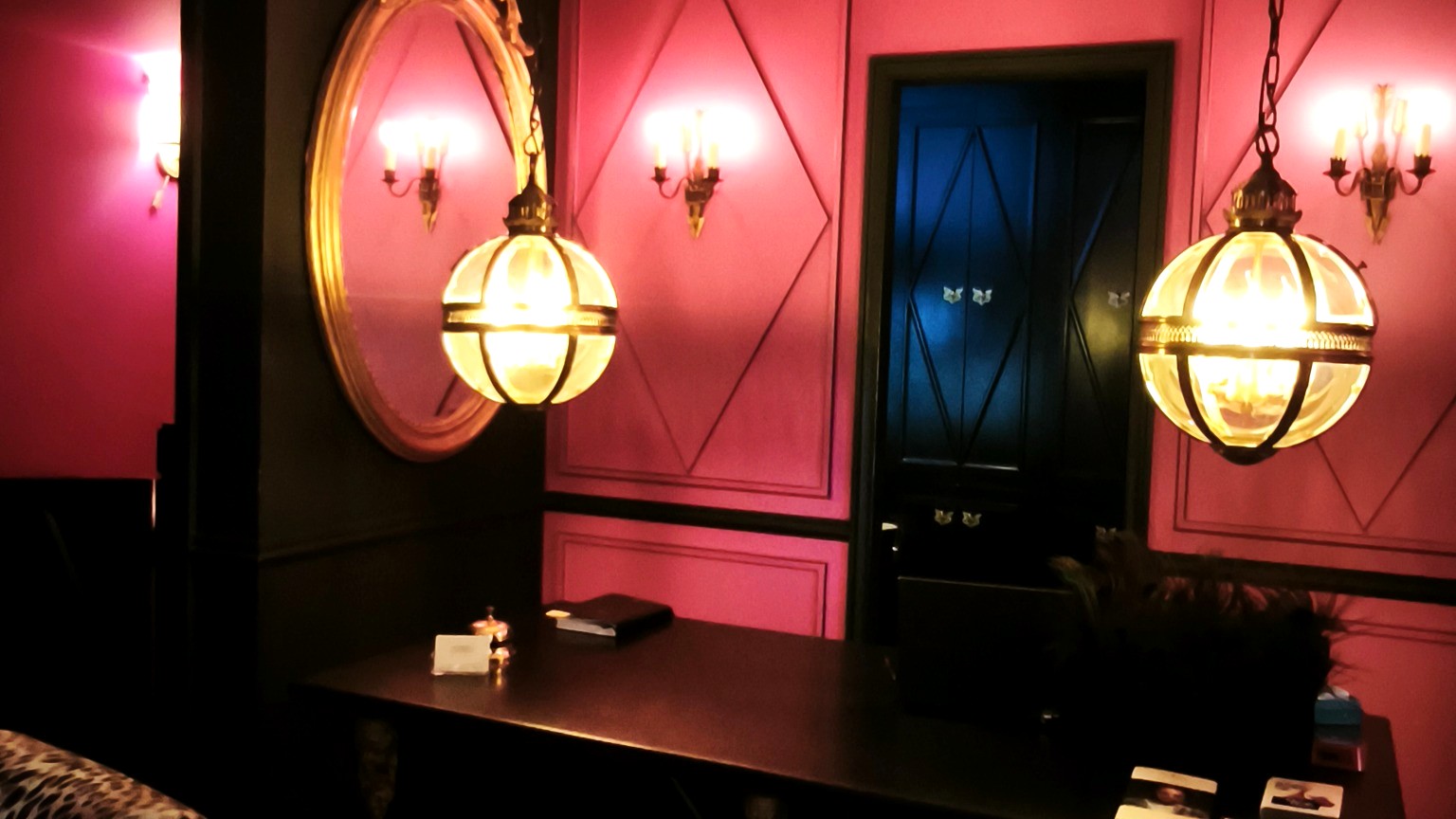
The JoBo is the most overtly theatrical address on this list, and it earns every bit of it. Named for Joséphine Bonaparte (JoBo, to those in the know), the hotel leans fully into its chosen mythology: pink corridors, panther prints, a flamboyant courtyard, rooms with names like Incroyable and Merveilleuse. It is, as one critic put it, intense but delightful, too witty and too thoughtfully executed to be oppressive.
Its concierge service is cut from the same cloth: warm, knowledgeable, and with a streak of genuine playfulness. Guests consistently mention the team’s “insider tips” as a highlight of their stay — the kind of neighborhood knowledge that comes from people who genuinely love the Marais and love sharing it. They are, in the words of one delighted visitor, “always ready to share all their insider tips to make the most out of your stay in Paris.”
In a hotel built around the art of surprise, the concierge is perhaps the most artful surprise of all.
Maison Proust
Rue de Picardie, Haut-Marais
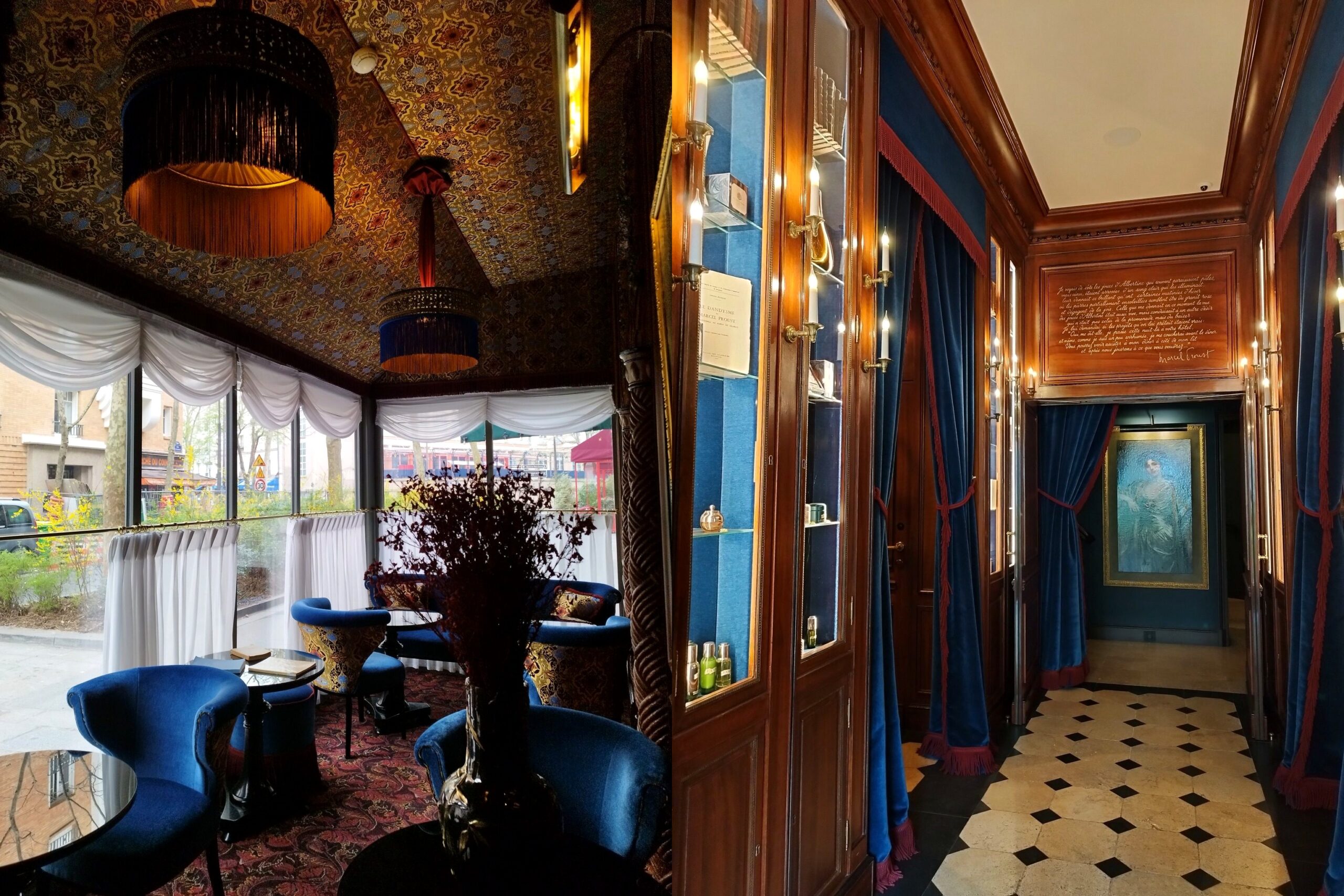
To understand what a concierge at Maison Proust is asked to do, it helps to understand the hotel itself. Designed by Jacques Garcia and built around the complete universe of Marcel Proust’s À la Recherche du Temps Perdu, it recreates the hush of Belle Époque salons, each floor dedicated to a different circle of the writer’s world: painters, writers, the Parisian aristocracy, and finally, on the sixth floor, Proust’s own apartment, transposed into a guest room.
The bar is run on Friday evenings by Colin Field, who spent nearly three decades at the Hemingway Bar at the Ritz and holds a reputation as one of the great figures of French hotel bartending. A library of 2,000 rare books and first editions lines the salon walls.
In this context, the concierge team is, above all, a literary and artistic intelligence service. They know the Carnavalet by heart, Proust’s actual cork-lined bedroom has been reconstructed there. They know the galleries of the Haut-Marais that deal in works from the period the hotel celebrates. And they understand that some guests come not simply to see Paris, but to feel their way back through time toward a city that still exists, if you know where to look.
Le Grand Mazarin
Rue des Archives / Rue de la Verrerie, 4th arrondissement
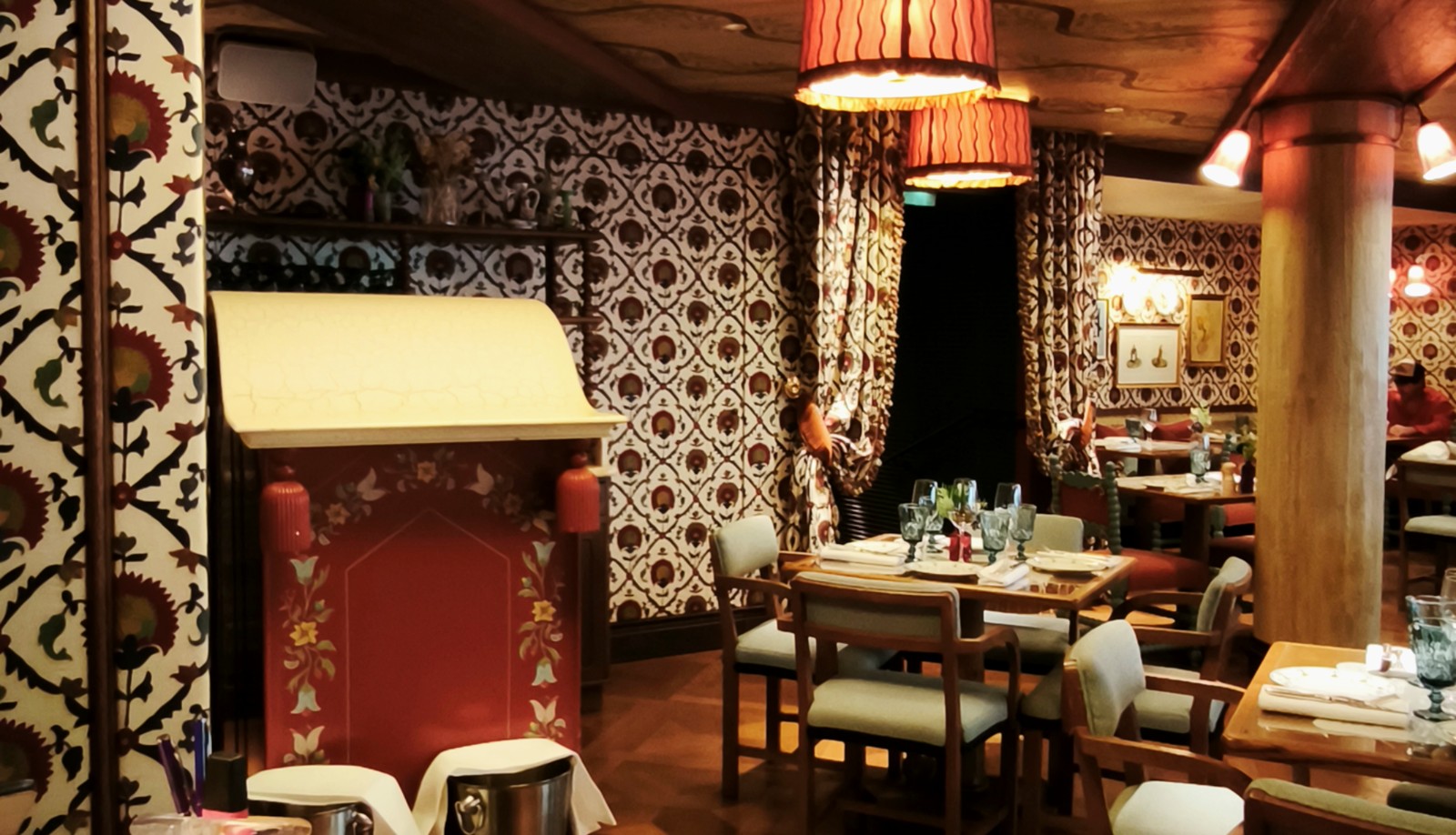
Le Grand Mazarin is the Marais at full volume. Designed by Martin Brudnizki, a favorite of the fashion and design world, the hotel is a riot of Aubusson tapestries, vintage objects, shimmering silks and Baroque details that somehow coheres into something joyous rather than chaotic. It is, as the Michelin Guide observed, a standout even in a city where minimalism never quite caught on.
The concierge team here holds the coveted title of Clefs d’Or. The golden keys of the international concierge elite, an honour that signals not merely competence but genuine mastery. The hotel explicitly positions its concierge as a “creator of tailor-made stays” tasked with anticipating every wish. In practice, this means the team is deeply embedded in the social and artistic life of the surrounding neighborhood: they know which shows at the Pompidou are not yet in the press, which concept stores have just received their season’s most interesting pieces, and which experiences in the Marais exist only for guests who think to ask.
In a hotel where art is literally on the walls – frescoes, friezes, paintings – handmade objects at every turn – the concierge extends that curatorial instinct outward into the city.
Experimental Marais
Rue du Temple, 3rd arrondissement
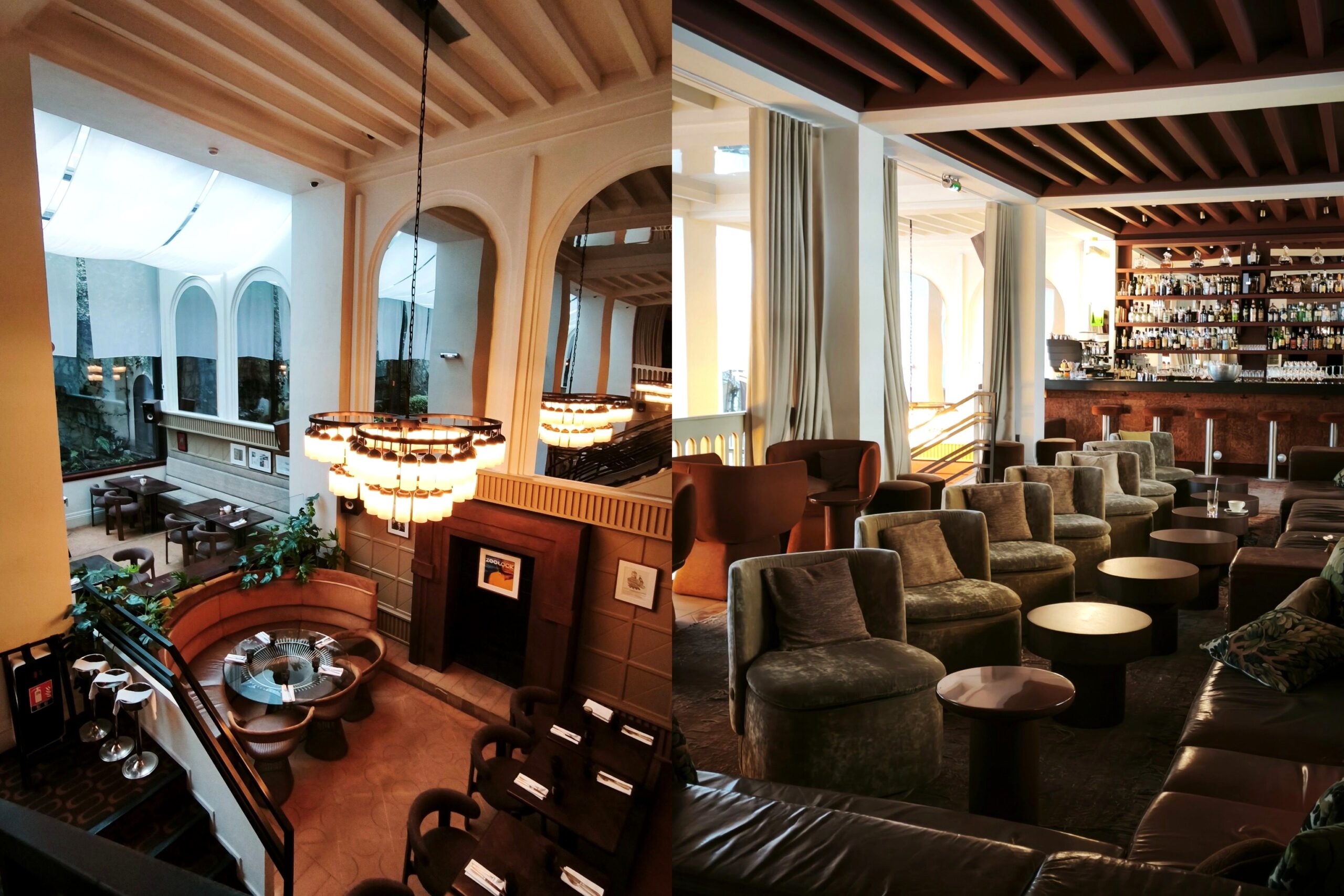
Experimental Group began not in hotels but in bars, specifically, with the Experimental Cocktail Club on a quiet Paris street in 2007, widely credited with launching the city’s modern cocktail renaissance. That origin story matters, because it explains what kind of hotel Experimental Marais is: one born from a deep, specific knowledge of what makes a night in Paris unforgettable.
Designed by Tristan Auer – responsible also for the Hôtel de Crillon and Les Bains – and built around the conceit of a fictional, endlessly curious world traveller whose collected objects fill each of the 43 rooms, Experimental Marais is the flagship the brand has spent fifteen years earning. Its American Bar, its chophouse-inspired restaurant Temple & Chapon with chef Mélanie Serre, and its Roman-bath spa all express the same philosophy: that pleasure is a discipline, and that the city reveals itself most fully to those who approach it with genuine curiosity.
The team here are, in the spirit of their fictional traveller, people who have explored the Marais thoroughly and personally. They guide guests not toward the expected but toward the genuinely discovered. The boutiques, the openings, the ateliers and bars that the neighborhood’s most engaged residents actually frequent. In the words of one reviewer who spent time with them: “deeply stylish and infinitely helpful, always on hand to dispense their insider knowledge so you can really get the most out of the Marais.”
What all seven of these concierges share, across their different scales, philosophies and aesthetics, is a willingness to make the invisible visible.
The Marais is not short of things to see. It has the Picasso Museum, the Carnavalet, the Place des Vosges, the Marché des Enfants Rouges, the Centre Pompidou at its western edge. A traveller with a guidebook and two days can tick every box and leave satisfied.
But satisfaction and discovery are different things. The concierges of the Marais deal in discovery, in the understanding that this neighborhood, more than almost anywhere in Paris, is still alive with things that have not yet been named. New galleries. Artists emerging from their studios. Private experiences available only to those who arrive with the right introduction.
They are, in the truest sense of the word, curators. Not of objects, though they know those too, but of encounters. And the best encounters are always the ones nobody planned.
The concierges of the Marais know, of course, about the atelier at 3 rue de Sévigné. They tend to mention it last. Not because it is the least important, but because it is the kind of thing best saved for the right person.
The real Paris we dream of, with the genuine French warmth that still exists.
Thank you for sharing! The Marais holds so many hidden stories, and the people who keep its spirit alive are its greatest treasure. We’re so glad this piece resonated with you. Come back and visit us at 3 rue de Sévigné 🌟
We love the Marais!
Some great recommendations & “hidden gems”… especially the last one! 😉
Looking forward to more in the future.
Thank you so much! It was a delight having you both! 🌟
We’re so glad the hidden gems resonated with you… There’s something truly special about creating together in the Marais 🎨. A very special moment we shared with the two of you.
Feel free to share your new dates. We can’t wait to work on our next project together! ☀️
Thank you for capturing the true spirit of Paris. Not the hordes of tourists who wander the streets visiting the obvious attractions, but the ones who want to soak in the layers, understand and appreciate the nuances, and explore the quiet and long lived Paris, beyond the veneer.
Thank you for these beautiful words 🌟
We’re so glad your time with us at 3 rue de Sévigné left that kind of impression. That deeper, quieter Paris is exactly what we love to share.
We cannot wait to welcome you back, and as for your idea… we might just take you up on that! ☀️🎨
See you soon
What fine information about these wonderfully appealing places, I look forward to exploring them when I return to Paris in the fall.